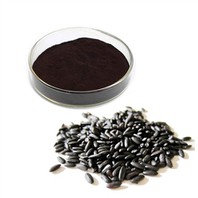
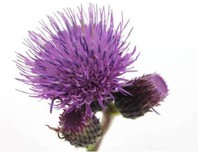
Rubus suavissimus S. Lee is a perennial deciduous thorny shrub of Rubus in Rosaceae. It is mainly distributed in the hilly areas of southern China. It is mainly produced in Liuzhou, Guilin, Wuzhou and other areas. It is a unique wild rare sweet plant in Guangxi. Together with Siraitia grosvenorii and stevia, it is called the three sweet plants in Guangxi. Its leaves can be used as medicine and tea. It usually grows at an altitude of 500 ~ 1000 meters. It likes Yang and is resistant to Yin and has strong adaptability.
Sweet tea is a new species of Rubus in Rosaceae. It was discovered as a drug in China in the early 1980s. Sweet tea has been used in folk for a long time. It is often used to replace sucrose to process food. As a folk medicine, it is used to tonify the kidney and reduce blood pressure. It is known as divine tea and is as famous as Siraitia grosvenorii. The steatoside rich in sweet tea is a diterpene sugar body, which is similar to stevioside in chemical structure. They are all composed of the same aglycone. The difference between them is only that there is one molecule of glucose on the ten carbon of steatoside. The sweetness of sweet tea glycoside is 300 times that of sucrose, and its calorific value is only 5% of sucrose. It is a natural sweet substance with high sweetness and low heat energy. Sweet tea extract powder can activate human insulin and blood sugar. It has a good health function for patients with diabetes and kidney deficiency. The sweet tea glycoside extracted from sweet tea has the best taste among sweet plants. Because of its green nature, health care and low heat, it shows good economic value in various industries such as food, beverage, cold food products, condiment, pharmaceutical industry, beauty cosmetics and so on.
Sweet tea extract powder is a non sugar natural sweet substance with high sweetness and low calorific value, which can be used as a substitute for sugar. In recent years, relevant domestic scholars have studied the biology and toxicology of Guangxi sweet tea, and fully confirmed that Guangxi sweet tea is a plant with high sweetness and non-toxic. It is safe for animals to take, does not hinder the production and development, hematopoietic system, liver and kidney function, and has no substantial damage and cumulative poisoning reaction to the main organs (heart, liver, spleen, kidney and brain) of animals, Sweet tea glucoside will become a new type of natural sweetener. In order to tap and utilize the rich natural sweet resources in Guangxi, Chinese scholars began to use the sweet tea of Rosaceae perennial shrub for scientific processing in the late 1990s, extract and separate the effective components, and make this new natural sweetener, which not only maintains the unique aroma and taste of sweet tea, but also has the function of health care and treatment. The products have been exported to the United States and Japan.
The mineral elements contained in sweet tea include calcium, potassium, sodium, phosphorus, iron, zinc, copper, magnesium, selenium and strontium, and do not contain harmful substances such as arsenic and lead. Sweet tea has a variety of health effects, such as clearing heat and detoxification, anti-inflammatory, reducing fat, reducing blood pressure, tonifying the kidney, improving human immunity, anti allergy and so on. Japanese studies have found that sweet tea has obvious curative effects on pollen allergy, other rhinitis and dermatitis. Therefore, the Japanese favor sweet tea, especially those who are allergic to cherry pollen and cause rhinitis, cough and asthma. They drink sweet tea to dispel phlegm and ensure their health.