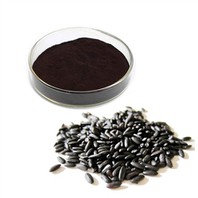
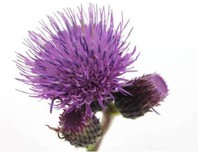
Eucommia leaf extract is a natural Chinese herbal medicine feed additive. Its main ingredient, chlorogenic acid, has many functions such as antibacterial, anti-stress, anti-oxidation, scavenging free radicals, promoting growth and improving meat quality.
1 Main ingredients
Chlorogenic acid ≥5%; total sugar ≥20%; flavonoids ≥8%
2 Mechanism of action
2.1 Broad-spectrum antibacterial effect
The comprehensive effects of chlorogenic acid and flavonoids have a significant inhibitory effect on a variety of bacteria. The in vitro antibacterial test results show that the minimum inhibitory concentration against Staphylococcus aureus and Streptococcus b is 0.0625g/ml; The minimum inhibitory concentrations of Escherichia coli and typhoid bacillus are 0.5g/ml and 0.25g/ml, respectively. The mechanism of action is to non-competitively inhibit the arylamine acetyltransferase in the bacteria, thereby accumulating a large amount of arylamine in the bacteria. The metabolism of the bacteria is disturbed, so that the bacteria cannot grow and reproduce normally.
2.2 Scavenging free radicals and anti-oxidation effects
Studies at home and abroad have shown that chlorogenic acid is an effective phenolic antioxidant, and its antioxidant capacity is stronger than caffeic acid, paraben, ferulic acid and syringic acid, as well as common antioxidants such as butylated hydroxyfennel Ether (BHA) and tocopherol. The mechanism of action is that chlorogenic acid has an orthodiphenolic hydroxyl structure, which can increase the electron cloud density on the hydroxyl group, and can also form intramolecular hydrogen bonds, thereby reducing the bond energy of OH, making the hydrogen abstraction reaction on the phenolic hydroxyl group prone to occur , So it has strong antioxidant capacity.
2.3 Protecting liver and gallbladder
Animal experiments have shown that chlorogenic acid has a significant protective effect on liver damage caused by carbon tetrachloride (CCl4), acetaminophen and septa, and significantly reduces the severity of liver pathological damage, resulting in the number of liver punctate necrosis and the occurrence rate of necrosis obviously decased.
Mechanism of action: First, by inhibiting the cytochrome P-450 drug enzyme metabolism system, inducing liver glucuronic acid binding enzyme activity, enhancing acetaminophen glucuronic acid binding metabolism, thereby enhancing the detoxification metabolism of acetaminophen in the body and reducing acetaminophen The second is to induce the liver to synthesize a large amount of metal sulfhydryl protein (MT). MT can bind to cadmium in a large amount, reducing the distribution of cadmium in the nucleus, mitochondria, microsomes and macromolecular proteins in the cytoplasm, thereby reducing the effect of cadmium on Toxicity of liver cells; third, it can promote the secretion of bile and accelerate the discharge of toxins.
2.4 Stimulate the gastrointestinal digestive system
Significantly increase gastrointestinal peristalsis and promote gastric juice secretion and other pharmacological effects, can improve the digestion and absorption of nutrients by livestock and poultry, and increase the utilization rate of nutrients, thereby promoting livestock and poultry growth and improving production performance.